How to Lower Your Heating Bill in Minnesota
Minnesota winters are long, and heating costs reflect it. The homes that stay comfortable on smaller bills aren't lucky — they've usually addressed a few specific weaknesses most homes share. Here's how to do the same.
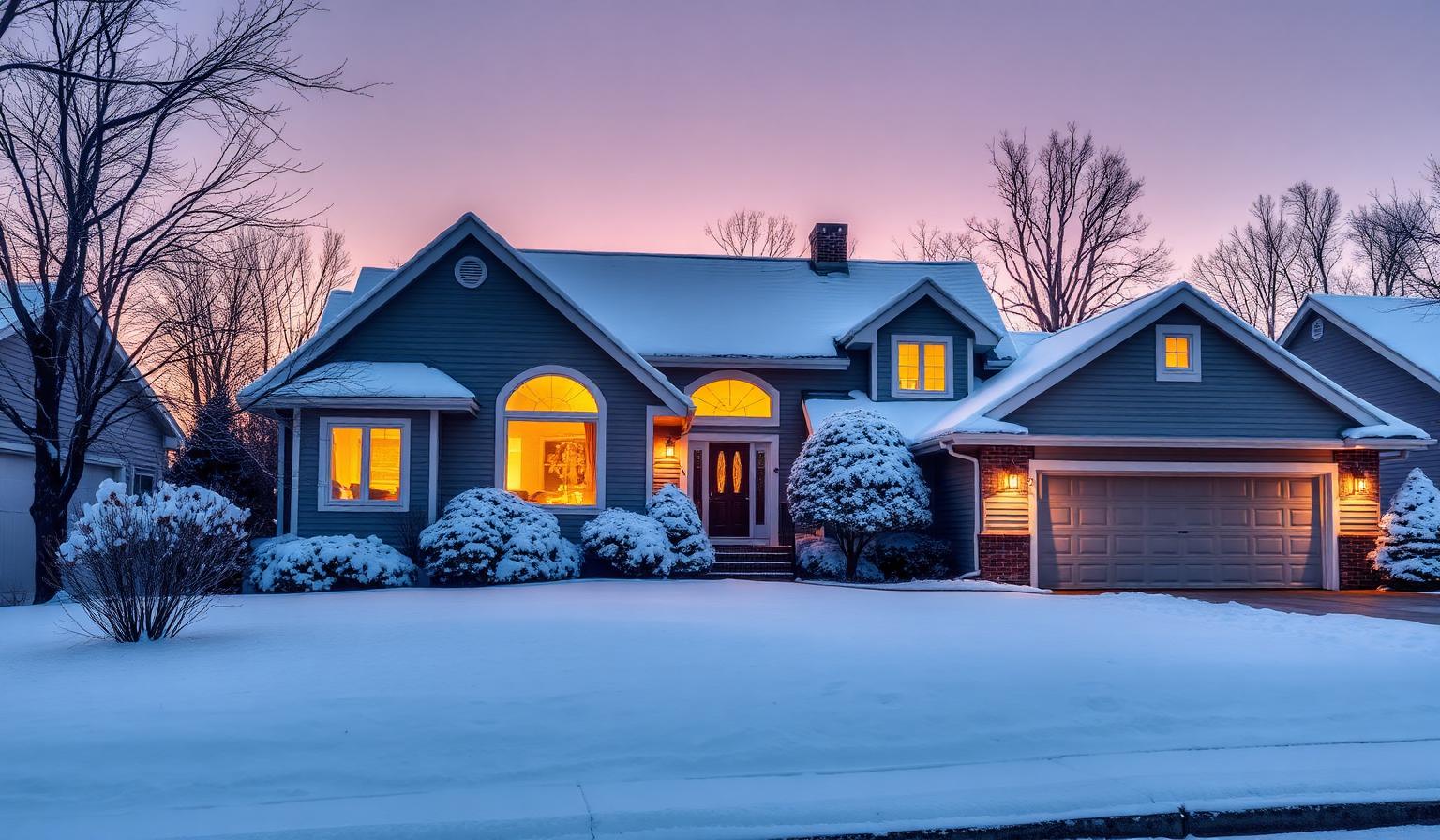
1. Why Minnesota heating bills get so expensive
With heating seasons that can stretch six months or more, even small inefficiencies in a Minnesota home compound into hundreds of dollars in extra costs. Cold outdoor temperatures magnify any weakness in insulation, sealing, ductwork, or HVAC performance.
2. Start with air leaks
Air sealing is almost always the highest-return first step. The U.S. Department of Energy confirms that reducing air leakage is one of the most cost-effective ways to cut heating and cooling costs and improve comfort. Common leak points include:
- Attic hatches and pull-down stairs
- Recessed lights and bath fans
- Rim joists in the basement
- Around plumbing, wiring, and dryer vents
- Door and window weatherstripping
3. Insulation matters more in cold climates
Minnesota homes lose more heat through ceilings and walls than homes in milder regions. The DOE recommends insulation as a key way to resist heat flow and lower heating costs. Many older Minnesota homes have less than half the recommended attic insulation.
4. Maintain your HVAC system
A well-tuned furnace uses less fuel, lasts longer, and keeps the house more evenly heated. Replace filters every 1–3 months, schedule annual tune-ups, and keep vents clear. If your ducts are leaky, even a brand-new furnace will waste energy.
5. Use thermostats the right way
- 68°F when home, 62°F at night or away is a good baseline
- A smart thermostat automates setbacks without sacrificing comfort
- Avoid cranking the thermostat to heat the home faster — it doesn't
- Many MN utilities offer rebates on smart thermostats
6. Do not ignore windows, doors, attic, basement, and crawl spaces
Windows and doors get the blame, but attics, basements, and crawl spaces usually leak far more heat. Sealing rim joists and insulating the attic floor will outperform new windows in nearly every Minnesota home.
7. Check if your home qualifies for rebates
Minnesota homeowners may qualify for energy efficiency rebates depending on household income, energy savings, and program availability. Visit Save Energy MN to see what's available, or ask MEE — we help homeowners understand and apply incentives every day.
8. Why a home energy check is the smartest first step
Instead of guessing which upgrade matters most, a MEE home energy check measures it. We look at the whole home as a system, then give you a clear, prioritized plan ranked by impact on your heating bill.
What You Can Do Next
- Seal the attic hatch and any obvious drafts this week
- Replace your furnace filter
- Set a smart thermostat schedule
- Book a MEE home energy check before the next cold snap
Stop Overpaying for Energy
MEE helps Minnesota homeowners identify hidden energy waste, improve comfort, and reduce heating and electric costs with practical home efficiency solutions.
Proudly serving Minnesota homeowners.
Find Out How Much Energy Your Home Is Wasting
Book your home energy check today. Most homeowners discover 20–40% of their energy is being wasted.