Why Your Electric Bill Is So High in Minnesota (and How to Fix It)
Minnesotans are no strangers to sticker-shock when the utility bill arrives. Long winters, dramatic swings between negative-degree cold and sticky summer heat, and rising energy rates can make a high electric bill feel inevitable. But you can take control of your costs. This post breaks down why your electric bill might be soaring and offers proven, energy-efficient fixes that pay off quickly.
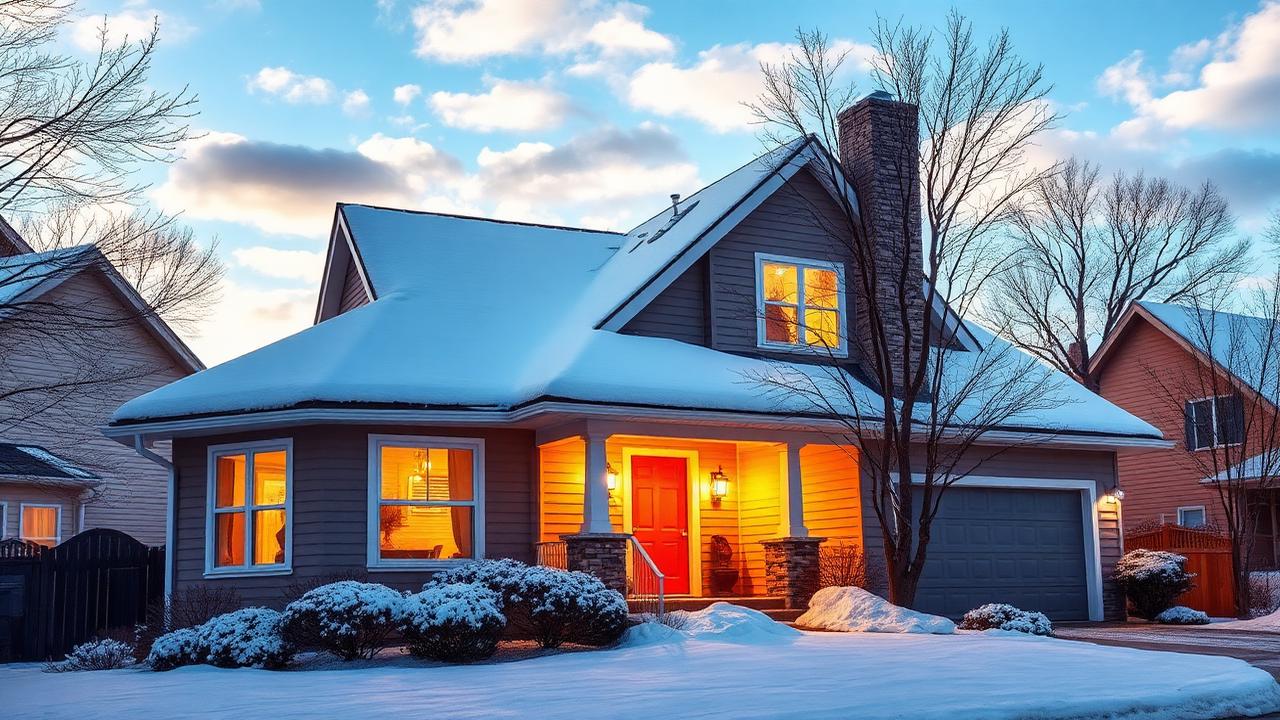
The Minnesota Climate Demands Efficiency
Minnesota sits in climate zone 6, which means heating dominates our energy use. Hot water alone can account for 30–40% of a household's energy use. If your home is poorly insulated or full of drafts, you'll burn even more energy just to stay comfortable. That's why investing in efficiency pays dividends — especially here.
Leaky Homes Waste Energy and Money
One of the biggest culprits behind a high electric bill is uncontrolled air leakage. Reducing the amount of air that leaks in and out of your home is a cost-effective way to cut heating and cooling costs, improve durability and comfort, and create a healthier indoor environment.
The U.S. Department of Energy recommends caulking and weatherstripping as simple, inexpensive air-sealing techniques that can offer quick returns on investment, often one year or less.
Signs of air leakage include:
- Drafty windows
- Cold spots
- Dust streaks on insulation
- Rooms that never feel comfortable
- Heating or cooling systems running constantly
A professional energy assessment can locate hidden leaks using tools like blower-door testing and infrared inspection.
Poor Insulation Drives Up Bills
Insulation acts like a blanket around your home. Properly insulating your home provides resistance to heat flow and lowers heating and cooling costs while improving comfort.
During winter, heat naturally moves from warm areas to cold areas. That means the heat you paid for can escape into the attic, basement, garage, crawl space, or outdoors if the home is not properly insulated.
Increasing insulation thickness raises the R-value, which measures thermal resistance. The higher the R-value, the better the insulation resists heat flow.
Common insulation problem areas include:
- Attics
- Rim joists
- Crawl spaces
- Basement walls
- Exterior walls
- Around pipes and recessed lights
- Areas where insulation is compressed or missing
Upgrading attic insulation and sealing gaps around problem areas can dramatically reduce wasted heating and cooling.
HVAC Inefficiencies and Dirty Filters
Your furnace and air-conditioning system can't perform well if it can't breathe. A dirty filter restricts airflow, making your system work harder to push air through the home.
A clean filter can reduce energy use by up to 15%.
Replacing or cleaning filters every one to three months and scheduling regular maintenance helps keep equipment running efficiently.
Common HVAC-related causes of high electric bills include:
- Dirty filters
- Blocked vents
- Leaky ductwork
- Poor airflow
- Older heating or cooling equipment
- Thermostat issues
- Systems running longer than needed
Even if your furnace or AC still works, that does not mean it is working efficiently.
Hot Water Habits
Many homeowners overlook water heating when trying to lower bills. Hot water can account for up to 30–40% of a home's energy use.
Long showers, older water heaters, high temperature settings, and uninsulated hot-water pipes can all increase energy usage.
Ways to reduce hot-water waste include:
- Install low-flow showerheads
- Install faucet aerators
- Insulate hot-water pipes
- Wrap your water heater if it is in a cold area
- Lower the water-heater temperature to 120°F
- Fix leaking faucets
- Run full loads in dishwashers and washing machines
Lowering the water-heater thermostat to 120°F provides safe, comfortable hot water while saving energy.
Phantom Loads and Device Usage
Even when turned off, many electronics consume standby power. This is often called phantom power, standby power, or vampire load.
Examples include:
- Phone chargers
- TVs
- Gaming systems
- Computers
- Printers
- Cable boxes
- Small kitchen appliances
- Smart devices
Unplugging chargers and electronics when not in use can help eliminate phantom power draw. Smart power strips can also automatically cut power to idle devices.
Running large appliances like dishwashers, clothes washers, and dryers only with full loads and during lower-demand times can also help reduce wasted energy.
Take Advantage of Minnesota Rebates
Don't pay for upgrades alone. Minnesota homeowners may qualify for energy efficiency rebates depending on household income, energy savings, utility provider, and program availability.
The Save Energy Minnesota program includes state and federal incentive opportunities for energy-efficient home improvements.
Programs may include:
- Home Efficiency Rebates
- Home Electrification and Appliance Rebates
- Residential Heat Pump Rebates
- Electrical Panel Upgrade incentives
- Utility rebates
- Federal tax credits when available
Rebate availability can change, so homeowners should always verify current program details before starting a project.
Key Takeaways
- Seal air leaks with caulk and weatherstripping
- Upgrade insulation to recommended R-values to reduce heat flow
- Maintain HVAC systems and replace dirty filters
- Tackle hot-water waste with low-flow fixtures and insulation
- Eliminate phantom loads by unplugging unused devices
- Review available rebates before starting home efficiency upgrades
Lowering your electric bill is not about making drastic sacrifices. It is about fixing hidden inefficiencies and taking advantage of programs that reward you for improving your home.
MEE can help you identify the best opportunities through a home energy assessment and help guide you toward practical next steps.
Stop Overpaying for Energy
MEE helps Minnesota homeowners identify hidden energy waste, improve comfort, and reduce heating and electric costs with practical home efficiency solutions.
Proudly serving Minnesota homeowners.
Find Out How Much Energy Your Home Is Wasting
Book your home energy check today. Most homeowners discover 20–40% of their energy is being wasted.